Eco-Friendly Approaches: How E-Waste Recycling Services Are Preserving Our Planet
E-waste represents a considerable hazard to the environment, as discarded electronics often contain toxic materials. These toxic materials have the potential to taint soil and water sources, resulting in widespread environmental harm. Electronic waste recycling programs offer an effective remedy. They serve the dual purpose of reclaiming precious materials and reducing contamination. Understanding how these services operate and their impact on communities is essential. The path to successful electronic waste management prompts vital discussions about personal accountability and communal efforts. What steps can be taken next?
Why E-Waste Poses a Threat to the Planet
Although technological advancements improve modern life, electronic waste presents serious threats to the environment. Discarded electronic devices, frequently composed of hazardous materials such as lead, mercury, and cadmium, can leach toxins into groundwater and soil, creating hazards for ecosystems and human health. The accelerating rate of technological innovation results in increased consumer turnover of electronics, worsening the buildup of electronic waste.
Landfills, already overwhelmed with refuse, find it difficult to handle the increasing amounts of discarded devices. Incineration, a common waste management technique, emits dangerous pollutants into the environment, degrading atmospheric conditions. Furthermore, inadequate recycling methods can result in the shipment of electronic waste to underdeveloped nations, where workers may break down equipment without proper protective measures, putting themselves at risk of exposure to hazardous materials. This ongoing cycle of carelessness and inadequate management emphasizes the pressing necessity for responsible recycling initiatives that can lessen the harmful consequences of e-waste on our world.
What Is E-Waste and Why Is It Important?
E-waste, or electronic waste, comprises discarded electronic devices including televisions, computers, and smartphones that have reached the end of their useful life. This rapidly expanding waste category is noteworthy because of its swift buildup, propelled by advances in technology and evolving consumer behaviors. As more devices become obsolete, the environmental impact intensifies, with dangerous elements including lead, mercury, and cadmium posing risks to ecosystems and human health.
The importance of addressing e-waste lies not only in mitigating these hazards but also in recognizing the valuable materials it contains. Precious metals and rare earth elements can be recovered and reused, reducing the need for mining and conserving natural resources. With a thorough understanding of e-waste and its impact, people and organizations alike can make educated decisions about disposal and recycling, helping to build a more sustainable world. Responsible management of e-waste plays a key role in supporting a circular economy and championing environmental stewardship.
How the E-Waste Recycling Process Works
Recycling e-waste involves an organized procedure aimed at reclaiming useful resources while limiting ecological damage. Initially, electronic waste is gathered and delivered to dedicated processing centers. Once there, the equipment is meticulously organized to distinguish harmful elements from reusable resources.
Subsequently, technicians take apart the devices, removing glass, metals, and plastics. This phase is essential, as it makes possible the reclamation of rare metals like copper, gold, and silver, which can be recycled in new electronic devices.
Next, the separated materials are handled through cutting-edge techniques, such as mechanical shredding and chemical processing, to refine them for repurposing.
Finally, the remaining dangerous materials are managed properly, complying with environmental guidelines. This comprehensive process not only conserves resources but also minimizes the hazards connected to unsafe e-waste handling, securing a more eco-conscious future for electronic consumption.
How E-Waste Recycling Benefits You and Your Community
While many individuals may not realize it, the advantages of e-waste recycling reach well past personal use to meaningfully influence entire communities. By responsibly disposing of electronic waste, individuals play a role in creating a safer environment, reducing hazardous materials that can seep into soil and water. This forward-thinking practice works to protect local ecosystems and supports public health.
In addition, electronic waste recycling supports the creation of jobs in communities. Regional recycling centers frequently need staff for numerous tasks, spanning collection through processing, consequently creating meaningful employment to area workers. This not only stimulates the local economy but also inspires community dedication to sustainable efforts.
Furthermore, awareness of e-waste recycling can lead to awareness campaigns, equipping residents to make environmentally conscious decisions. By participating in e-waste recycling programs, individuals promote a culture of sustainability, inspiring others to embrace similar practices. In summary, the collective impact of these actions can lead to a more resilient and environmentally responsible community.
How to Pick an E-Waste Recycling Service
Picking the right e-waste recycling service is essential for ensuring that e-waste is handled with responsibility and sustainability. To begin, consumers should check the service's accreditations, such as e-Stewards or R2, which demonstrate adherence to professional guidelines for responsible recycling methods. Additionally, it is advisable to evaluate the provider's reputation by reading customer reviews and obtaining recommendations from trusted sources.
Moreover, transparency in the recycling process is vital. A trustworthy company should offer detailed insights about the manner in which e-waste is managed and what becomes of the materials. Moreover, assessing the variety of services available can be advantageous; various firms may supply retrieval services or extend benefits for recycling.
In addition, being aware of area-specific requirements for e-waste disposal can help inform the evaluation process. When these considerations are given priority, residents can actively participate in successful electronic waste reduction alongside encouraging sustainable environmental efforts.
How You Can Get Involved in E-Waste Recycling?
Participating in e-waste recycling may begin at the local level, where community recycling hubs regularly supply essential services for proper disposal. Furthermore, participating in community awareness campaigns can enhance efforts to inform others regarding the importance of responsible e-waste management. Such efforts not only promote sustainability but also build a collective sense of stewardship of the environment.
Regional Recycling Centers
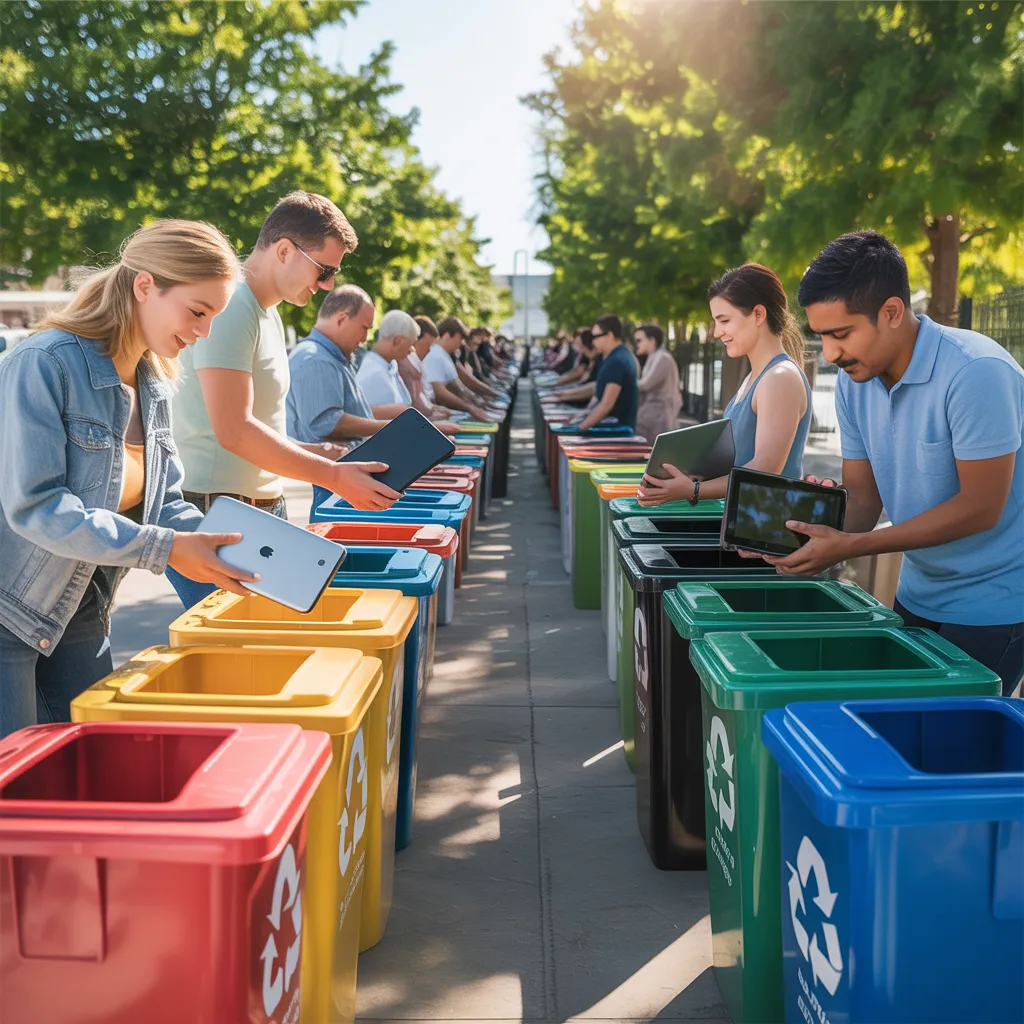
Many community recycling facilities play an essential role in e-waste recycling, providing communities with accessible options to dispose of electronic waste responsibly. These facilities handle a range of digital devices, including aging computers, cell phones, and television sets, ensuring that harmful materials are handled safely. Many hubs feature Learn more experienced team members who support individuals in understanding proper disposal practices, stressing the significance of recycling instead of landfilling. Moreover, numerous facilities provide planned drop-off gatherings or set collection days, making it easy for residents to participate. By taking advantage of these neighborhood resources, individuals contribute to a circular economy, lowering environmental harm and encouraging sustainable habits. Working alongside these hubs encourages communities to fight e-waste pollution decisively.
Community Education Campaigns
Local organizations, schools, and businesses can work together to organize events that support e-waste collection drives. Community members can serve a critical function in promoting knowledge, handing out educational content, and interacting with the surrounding community. As a result of these combined actions, local inhabitants gain greater awareness and encouragement to properly recycle their e-waste, thus playing a meaningful role in creating a more environmentally responsible future.
Questions We Often Receive
What Types of Electronics Can Be Recycled?
Numerous electronics can be recycled, including smartphones, computers, laptops, televisions, printers, and gaming consoles. Additionally, ancillary devices such as keyboards, mice, and batteries are equally appropriate for recycling, promoting efforts to conserve the environment.
Are There Any Costs Associated With E-Waste Recycling?
Indeed, e-waste recycling sometimes comes with fees, depending on the facility. Certain providers impose charges for pickup or handling, while other facilities offer free services, typically funded by the resale of recovered materials.
How Can Businesses Benefit From E-Waste Recycling?
Businesses can benefit from e-waste recycling by reducing disposal costs, improving their green reputation, complying with regulations, reclaiming useful materials, and creating potential earnings via resale, ultimately contributing to a more sustainable operational strategy.
What Occurs with Data on Recycled Devices?
Information regarding recycled devices is commonly completely removed or obliterated during processing. This confirms sensitive information remains secure, blocking unwanted intrusion while enabling resources to be reused carefully and ethically in new products.
Can I Recycle Broken Electronics?
Yes, damaged electronics may be recycled. Several centers process broken devices, providing proper disposal and retrieval of recoverable materials. This effort helps decrease the environmental footprint while encouraging eco-friendly recycling methods to control electrical waste properly.